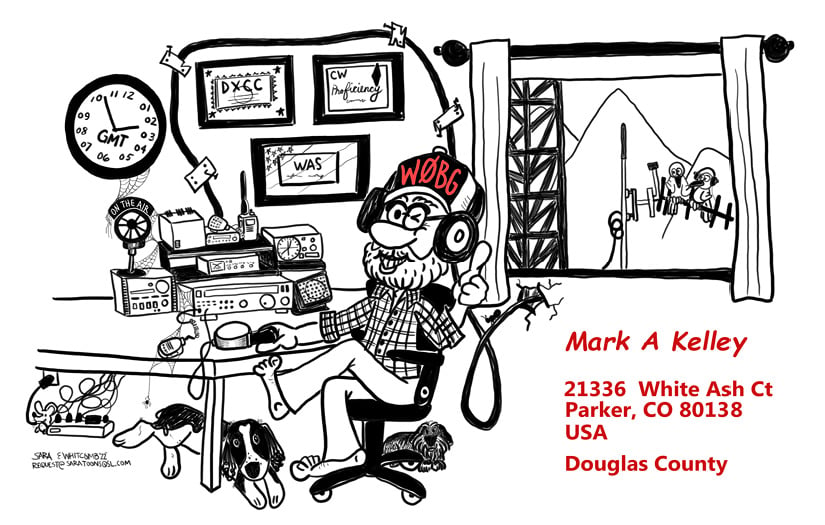
After about three years of stalling, hemming, hawing, and letting it simmer on the back burner, I passed the technician exam and am now an officially licensed amateur radio operator. The FCC sent over my call sign first thing on New Year's Day.
IT was a chore to take the exam online, rather than waiting six weeks to take it in-person with the local club — the proctors have very strict rules and guidelines, as it's a government test — but I value the convenience. The Zoom lobby was filled with a standard cross-section of ham enthusiasts, namely boomers, military cosplayers, and preppers (all white men, of course). Lots of velcro and unsavory bumper stickers, unfortunately.
Nevertheless! I now have full privileges on all amateur bands above 6m, plus some scattered voice, morse, and data on shortwave. What will I do with this new freedom? I don't know yet! Amateur radio is a hobby full of nested hobbies, and peppered with enough rabbit holes that you can reasonably find a few that feel coziest. I don't care to rag chew (ham speak for chatting on the air - there is a whole language I need to get hip to), and while attempting distant contacts sounds pretty cool, I imagine the excitement will wear off quickly (although, I should keep an open mind).
I've started looking into hardware experiments like building little ESP-32 or Arduino beacons to transmit radio fax or build a blinking numbers station, or putting a tiny transmitter on a weather balloon and seeing where it ends up, beeping my call sign over the ocean. I'd like to work up to an Earth-Moon-Earth moonbounce in some form, even if I won't be able to reasonably hear the echo. I need more practical experience and time working to send and receive feld hell to inform my studio research. There's a lot to explore!
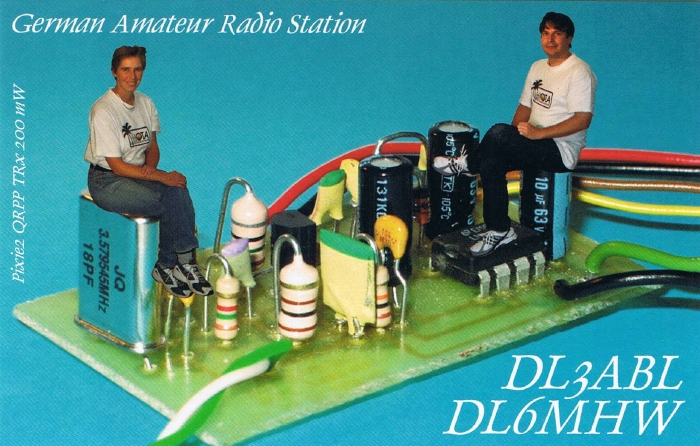
Studying for the ham exam mostly involves reading through the question bank over and over and getting enough flashcards correct to pass. I was struck by the very first question on the list:
Q: Which of the following is part of the basis and purpose of the Amateur Radio Service?
A: Advancing skills in the technical and communication phases of the radio art.
The service is meant to advance the radio art, which includes experimenting with radio technology, improving communication techniques, and providing a pool of trained operators who can assist in emergencies...
In other words, I now have a duty to push the ball forward on the technique, technology, and connection through the medium of radio. How can I use this skillset and body of knowledge to "advance the radio art"? How can I think through and experiment with these new (but often quite old!) tools for communication? What exactly is the art of radio? How is radio simultaneously an art and a technology, and how does this fact illuminate the interface where art and tech meet? How can looking at radio through these lenses teach us something about communication and technology more broadly?
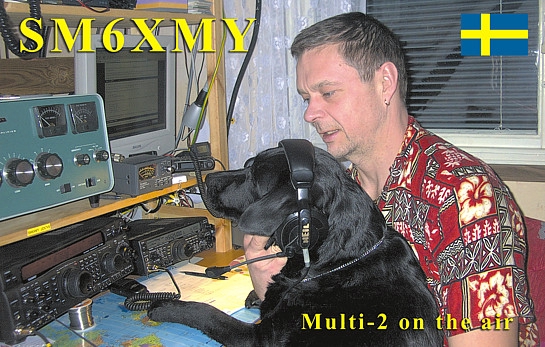
In an effort to spend a minimum of winter break doomscrolling, I largely set my phone to monochrome mode and deleted all social media apps[^1] from walking around in my pocket. It's peaceful, but I do feel less connected to the people I stay in touch with through Instagram in particular. I also feel beholden as a visual artist and designer and educator to be active in that space in order to promote my work, and therefore, myself. I don't want to exist in that paradigm, but I feel like I need to.
This tension has me looking for other ways to exist digitally. As I reflect on my creative goals for this year, I'm also attuned to a general need to be more community-minded, more generous with the things I'm making and doing and thinking about, and the conversations and I'd like to invite. I'm not a noted collaborator, and I'm starting to bump into the limits of working and thinking in a vacuum.
Can radio be a new space? Can it be a gathering place? Can it be an excuse and a ticket to share what I'm doing and what I find exciting and stimulating with folks who might connect with my interests? How can I support this effort? How can I get the word out?
I spent a lot of this weekend ripping CDs to my homelab, and remembering how many discs I picked up at the WRFG CD sale a few winters ago. I wish I would have taken advantage of living down the street from their studio for as long as I did! I'm very proud of myself for figuring out how to host and broadcast a full radio station essentially on my own,[^3] but I wonder where I'd be if I had made any effort to build a community around radio. WRFG, GPB, the Atlanta art scene, Knoxville Media, UTK, etc. How would this project be different? What cool things could we have made together?
Transmission/Reception is the closest I've come to radio as a connection point. The work my students did was incredible! As I think about collaboration and communication this year, I think No Soap, Radio (and radio more broadly) must be the cornerstone and engine.
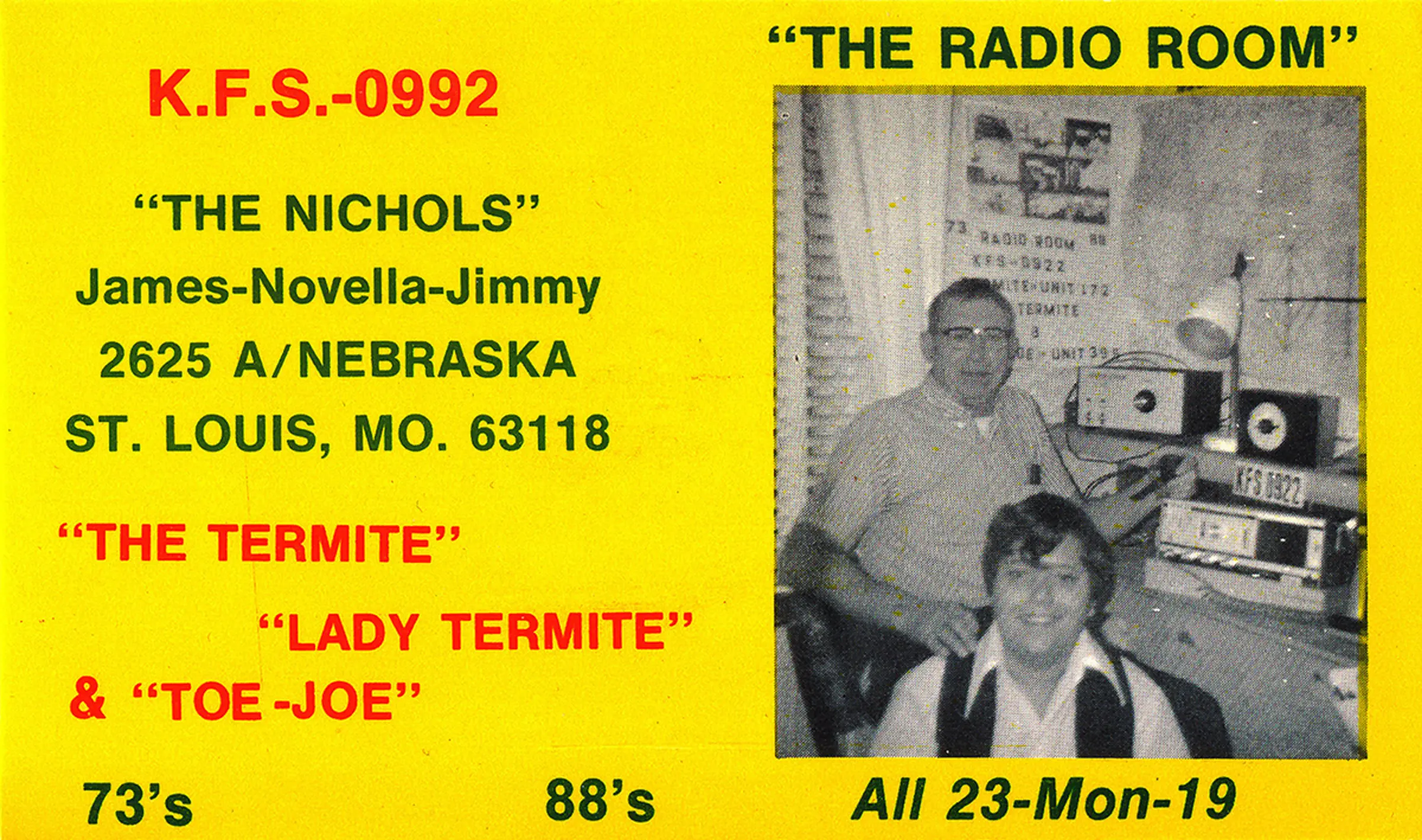
Community building step no. 1: hitting the January meeting of the Grand Strand Amateur Radio Club tomorrow night. Look, I'm going in with enthusiasm, but I"m hyper-aware of the (largely true, in my experience) ham radio stereotype.[^2] Especially around here, where the average age anywhere you go is firmly in the blue plate special demographic. I'm attempting to leave my preconceptions at the door. I have a lot to learn, and I can only go so far by myself.
[^1]: I did give myself the mercy of using Instagram while with my partner's family over Christmas, god bless
[^2]: There aren't a ton of Vietnam vets left, but boy do they like to complain about their ailments on the airwaves!
[^3]: I've never put it so clearly and starkly before, and I admit, I'm a little emotional when I see that written out. I've done a lot! Learned so much! Do you have your own AM station? Would you like to play with mine?